
Middle East - Ekhbary News Agency
AI's Rapid Evolution: Opportunities and Challenges Shaping Our Future
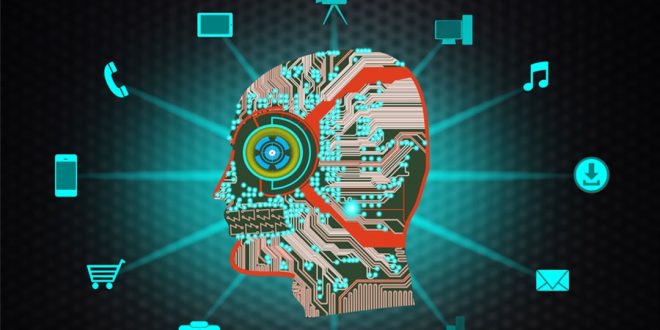
Our world is currently undergoing an unprecedented technological revolution, driven by the accelerating progress in the field of Artificial Intelligence (AI). AI is no longer a mere theoretical concept or science fiction; it has become a tangible reality permeating various aspects of our lives, from the smartphones we carry to the complex systems managing cities and infrastructure. The pace of innovation in this domain is astonishing, opening vast horizons for new opportunities while simultaneously presenting fundamental challenges that require deep thought and effective strategies.
AI has brought about a radical transformation across numerous industrial sectors. In healthcare, AI-powered diagnostic tools are aiding in the early detection of diseases with accuracy sometimes exceeding human capabilities. They are also accelerating drug discovery processes and personalizing patient treatments. In manufacturing, intelligent robots and automation systems enhance production efficiency and reduce errors, leading to higher quality products and lower costs. Within the financial services sector, AI is employed to analyze big data for predicting market trends, detecting fraud, and offering personalized investment recommendations to clients.
Read Also
- Global Economic Landscape Undergoing Rapid Transformation: Challenges and Opportunities Amidst Geopolitical Shifts
- The Imperative of Multilingual News Processing in a Globalized Media Landscape
- Government Unveils New Economic Policies to Combat Inflation and Improve Livelihoods
- Global Economic Outlook: Navigating Persistent Inflation and Geopolitical Headwinds
- Navigating the Global Digital Economy: Challenges and Opportunities
The impact of AI extends beyond industry into our daily lives. Virtual assistant systems, such as Siri and Alexa, rely on natural language processing technologies to understand and respond to our commands. AI algorithms are also used in recommendation engines on streaming services and e-commerce platforms, suggesting content and products tailored to our interests. In transportation, self-driving cars represent a prime example of AI's transformative potential, promising improved road safety and reduced traffic congestion.
However, this technological revolution is not without its challenges. One of the most significant is the potential impact on the labor market. As machines become increasingly capable of performing tasks that previously required human skills, many fear widespread job losses. This situation necessitates a comprehensive re-evaluation of education and vocational training systems, with a focus on developing skills that complement AI capabilities, such as creativity, critical thinking, and emotional intelligence. Governments and corporations must also collaborate to establish policies that ensure a just transition for affected workers, potentially exploring new models like Universal Basic Income.
Privacy and data security issues also raise significant concerns. AI systems rely on vast amounts of data to function effectively, increasing the risks of unauthorized access to personal information or its misuse. This demands robust regulatory frameworks for data protection, ensuring transparency in how data is collected and used by AI systems. Users should be aware of how their data is utilized and have the ability to control it.
Algorithmic bias presents another ethical challenge. Systems trained on biased data can reflect and amplify these biases in their decisions, leading to unfair outcomes in areas such as hiring, lending, and even criminal justice. Addressing this issue requires continuous efforts to develop fairer algorithms, ensure diversity in training data, and conduct regular audits to assess and mitigate biases.
Related News
- Unveiling Antarctica's Enigmatic 'Gravity Hole': A Deep Dive into Earth's Interior and Climate Future
- The Enduring Legacy of 'Cool Runnings': A Jamerican Perspective on a Disney Classic
- Air Travel Controversy: Travel YouTuber Slammed for 'Stuck in Singapore' Narrative Amidst Middle East Crisis
- Anthropic's Cowork: A New Desktop AI Agent Empowers Non-Technical Users, Built by AI Itself
- Gold and Silver Prices Plunge Sharply After Trump Names Fed Chair Pick
Despite these challenges, the positive potential of AI is immense. This technology can help us tackle some of humanity's greatest problems, including climate change, intractable diseases, and poverty. By harnessing the power of AI responsibly and ethically, we can build a more prosperous and sustainable future for all. This requires close collaboration among researchers, developers, policymakers, and civil society to ensure that this advanced technology serves the common good.

