Algeria - Ekhbary News Agency
Algeria Navigates Dual Impact of Strait of Hormuz Crisis: Oil Windfalls vs. Inflationary Risks
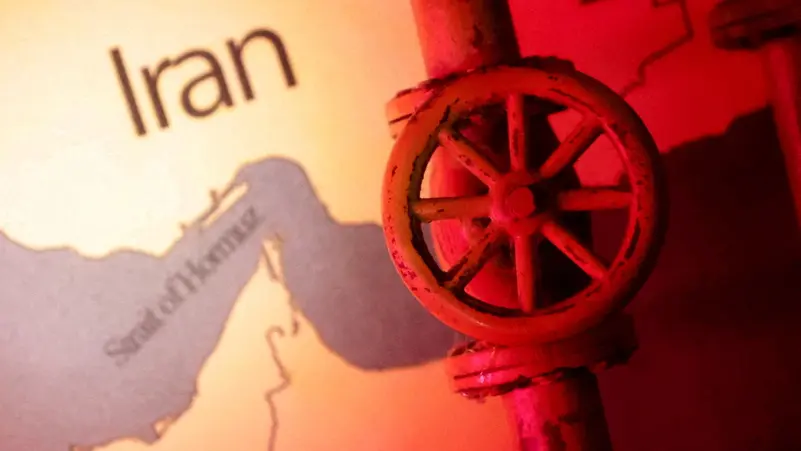
The global economic landscape is fraught with heightened tension and concern as geopolitical friction intensifies in the Strait of Hormuz, a critical artery for global energy transit. For Algeria, a key oil and gas producer in North Africa, the unfolding crisis presents a complex duality of economic consequences. On one hand, the surge in hydrocarbon prices is bolstering the nation's financial revenues, providing much-needed fiscal space that could be allocated to the state budget and development projects. On the other hand, the potential for maritime traffic disruptions in the strait sparks significant apprehension regarding the continuity of energy supplies and the integrity of global supply chains, which could adversely affect Algeria's national industry, reliant on imported raw materials and equipment.
The current escalation in oil and gas prices, partly attributable to geopolitical risks in the Persian Gulf region, represents a significant opportunity for the Algerian economy to bolster its foreign exchange reserves. The national budget has long been heavily dependent on hydrocarbon revenues, and any price increase translates directly into higher income. This influx could alleviate the fiscal pressures the economy faces, particularly given the urgent need to diversify revenue streams and reduce reliance on oil and gas. These additional revenues could empower the government to increase spending on infrastructure, social services, and support for other productive sectors, as well as enhance its capacity to manage external debt.
Read Also
- Tepid GDP Growth Signals Economic Headwinds Amidst Geopolitical and Regulatory Uncertainty
- Escalating Middle East Tensions Threaten Global Semiconductor Production as Qatar Halts Critical Helium Supply
- 11 Stocks to Fortify Your Portfolio Against Iran Risk
- NFL Free Agency: Unpacking the Best Remaining Talent and Their Ideal Landing Spots
- NFL Free Agency 2026: Live Tracker Reveals Blockbuster Signings and Pivotal Trades
However, the outlook is not entirely positive. The rising tensions in the Strait of Hormuz do not solely impact energy prices; they also extend to the disruption of global supply chains. Algerian industry, much like manufacturing sectors worldwide, relies on an intricate network of international suppliers and manufacturers. Any impediment to maritime shipping, whether through direct incidents or navigational restrictions, could lead to delays in the arrival of crucial raw materials, spare parts, and equipment necessary for production. Such delays could result in partial or complete shutdowns of industrial operations, escalating production costs, and diminishing the competitiveness of national products in both domestic and international markets.
The threat of inflation is another critical aspect that cannot be overlooked. While higher energy prices enhance state revenues, they simultaneously drive up production and transportation costs for various goods and services within Algeria. This increase in costs can rapidly translate into higher consumer prices, exerting inflationary pressure on the economy and negatively impacting citizens' purchasing power. The government might be compelled to implement measures to control inflation, such as adjusting prices for essential goods or providing direct subsidies, which could potentially offset the anticipated fiscal benefits from elevated energy prices.
Amidst this complex scenario, Algeria faces a dual challenge: capitalizing on available opportunities while diligently managing potential risks. This necessitates the adoption of agile economic strategies capable of adapting to rapidly evolving circumstances. It is imperative to intensify efforts to diversify the national economy away from its heavy dependence on hydrocarbons and encourage investment in non-oil sectors such as manufacturing, tourism, and agriculture. Furthermore, securing national supply chains through diversifying import sources, promoting domestic production of essential materials, and bolstering strategic reserves is crucial.
Related News
- The Best Headphones I’ve Tried (and Why I'd Buy Them All)
- Brooklyn Prosecutors Intensify Federal NBA Case with Expanded Discovery and Plea Negotiations
- Manchester United Star Leny Yoro Banned from Driving After High-Speed School Zone Offense
- World Cup 2026: Iran "Welcome," Assure FIFA and Donald Trump Amidst Geopolitical Tensions
- Predicting the 2028 USA Men's Olympic Basketball Roster: A Youth Movement is Coming
The crisis in the Strait of Hormuz, despite its inherent risks, could serve as a catalyst for Algeria to accelerate its structural economic reforms. Wisely utilizing current oil and gas revenues while focusing on building a more sustainable and resilient economy is the most effective path to navigating current and future challenges. This requires a clear strategic vision and close collaboration between the government, the private sector, and civil society to ensure that these global economic fluctuations ultimately benefit the national economy and its citizens in the long term.