
Global - Ekhbary News Agency
Renewable Energy Sector Sees Unprecedented Growth Amidst Investment Surge and Future Challenges
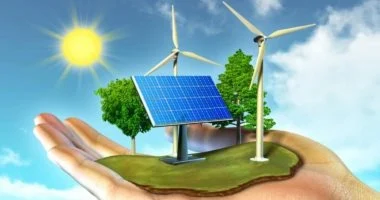
The renewable energy sector is undergoing a profound transformation, propelled by increasing global awareness of climate change and the urgent need to reduce reliance on fossil fuels. This awareness, coupled with continuous technological advancements, has led to a surge in record investments in solar, wind, and other clean energy projects. This boom represents not just an economic trend but a strategic imperative for the future of our planet, as governments, corporations, and institutions worldwide strive to meet ambitious carbon emission reduction targets.
Recent figures show a remarkable increase in installed renewable energy capacity globally. Solar power and wind energy are leading the charge, with their production costs becoming increasingly competitive with, and in some regions even cheaper than, traditional fuels. Innovations in solar panel and wind turbine technologies, along with improvements in manufacturing efficiency and supply chains, have significantly driven down prices, making these technologies more accessible to a broader range of investors and nations.
Read Also
- The Uvalde Elementary School Massacre: A Comprehensive Analysis of a Tragedy That Shook the United States
- CNN en Español: Copyright and Digital Accessibility for 2026
- Historic Victory: Claudia Sheinbaum Poised to Become Mexico's First Female President Amidst High Hopes and Challenges
- Leopoldo López: A Venezuelan Opposition Leader's Tumultuous Journey
- Jair Bolsonaro: A Comprehensive Look at the Former Brazilian President's Life and Tenure
Supportive government policies, such as subsidies, tax incentives, and binding renewable energy targets, are a key driver of this growth. Many countries aim to meet a significant portion of their energy needs from renewable sources by 2030 or 2050, creating sustained demand and encouraging further investment in the sector. International agreements, like the Paris Agreement on climate change, also provide a global framework for action, increasing pressure on nations to adopt cleaner energy solutions.
However, this rapid transition is not without its challenges. Integrating large amounts of intermittent renewable energy, such as solar and wind power, into existing electricity grids poses a significant technical hurdle. The sun does not always shine, and the wind does not always blow, necessitating innovative solutions for energy storage and ensuring supply stability. Battery storage technologies play a crucial role in this context, but their cost remains relatively high, and there is a need to develop long-term storage solutions capable of meeting demand over days or weeks.
Electricity grid infrastructure is another area of vulnerability. Existing grids are often outdated and not designed to accommodate the flow of energy from geographically dispersed renewable sources. Expanding renewable energy requires massive investments in upgrading and expanding transmission and distribution networks, connecting renewable energy production areas with consumption centers. This demands long-term strategic planning and close collaboration between governments and utility companies.
Furthermore, challenges related to the supply of raw materials needed for manufacturing renewable energy technologies, such as lithium, cobalt, and rare earth elements, raise geopolitical and environmental concerns. Ensuring sustainable and responsible supply chains requires international efforts to promote recycling, diversify material sources, and develop alternative technologies that rely on less scarce materials.
Related News
- Middle East Conflict Poses Significant Economic Strain on European Union, Warns Commissioner Hansen
- TSA Staffing Crisis Escalates as Agents Quit, Stay Home
- Global Economic Resilience Amidst Geopolitical Shifts: Challenges and Opportunities
- Gyeongnam Province Focuses on Fuel Price Stabilization, Conducts Special Inspections on Gas Stations
- Global Economic Landscape Navigates Persistent Headwinds and Emerging Opportunities
Despite these challenges, the current momentum in the renewable energy sector appears irreversible. The long-term economic and environmental benefits, coupled with increasing pressure from civil society and investors, are driving the acceleration of the transition. Effectively addressing the technical, regulatory, and infrastructural challenges will be key to realizing the vision of a sustainable and clean energy future for all.


