French Guiana - Ekhbary News Agency
Saül: A Remote Amazonian Village at the Heart of French Guiana's National Park
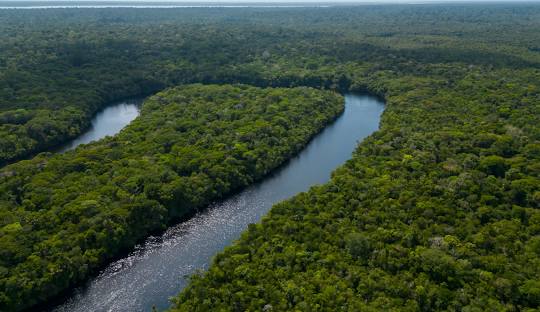
Nestled deep within the vast rainforests of French Guiana lies Saül, a unique village that serves as a gateway to the Parc Amazonien de Guyane (PAG), France's largest national park and one of Europe's most expansive protected areas. Spanning nearly 3.4 million hectares, the PAG is a sanctuary of biodiversity, encompassing dense tropical rainforests and isolated communities in the southern reaches of the territory. Established in 2007, the park's mission is to harmonize environmental protection with the preservation of indigenous local lifestyles and cultures, alongside sustainable development – a delicate equilibrium on an immense, inhabited, and highly sought-after territory, particularly by gold prospectors.
Saül, a minuscule village at the heart of the department, represents the first stop in a series exploring this remarkable region. Situated between Suriname and Brazil, French Guiana is a French department covering 83,000 square kilometers, 95% of which is covered by the Amazon rainforest. While many visitors, both foreign and local, experience French Guiana primarily through its coastal strip, the PAG offers a profound connection to the interior. Since its inception, the park has provided access to this immense forest and the secluded communes of central and southern French Guiana.
Read Also
- NASA's Kennedy Space Center Infrastructure Unprepared for Super Heavy Rocket Era
- GM Installs Robots at EV Plant Amidst Layoffs, Sparking Union Outcry
- Free Streaming Trials in 2026: A Comprehensive Guide to Available Options
- How to Stream Norway vs. Senegal World Cup 2026 Match Free Online
- Prime Day 2026 Headphone Deals: Sony XM6 and AirPods Max 2 Lead Early Sales
Accessible solely by air, Saül is a tiny human enclave adrift in the immense forest. Here, a mere 80 inhabitants live amidst towering trees, dizzying lianas, and marshy undergrowth, serenaded by the calls of birds, howler monkeys, and a cacophony of frogs. This is where the forest's heart beats strongest, and the 'Saüliens' – whether park agents, farmers, schoolchildren, or guesthouse owners – understand its rhythm, share its essence, and are dedicated to its defense.
Journeying to Saül offers a glimpse into a bygone era of life in the vast, isolated hinterland, far removed from the colonial grip and its exploitative interests. For a long time, this immense Amazonian margin was a refuge. Indigenous populations, escaped slaves known as "Maroons," and artisanal gold miners migrating from the Lesser Antilles carved out lives for themselves, resisting external pressures and forging unique existences deeply intertwined with the forest.
Today, Saül is a destination cherished by travelers and scientists alike. Its hiking trails lead visitors into the heart of untamed nature, far from the persistent myths of "El Dorado" or the "green hell" that have often characterized this fiercely alive region. Despite the persistent scourge of illegal gold mining that plagues the surrounding areas, the resilient Saül community and park rangers remain vigilant in their fight for preservation.
This narrative is part of a three-episode radio series exploring the PAG, produced by Céline Develay-Mazurelle and Laure Allary, initially broadcast in 2023. The first two episodes focusing on Saül were produced in collaboration with "RFI Labo" using Dolby Atmos technology, offering an immersive, headphone-listening experience designed to reveal the park's ecosystem through sound.
Related News
- Lamees El Hadidi Unveils "Maw'ed Ma' Lamees" Podcast Poster on Masrawy
- Chef Sandra Makary's Innovative Om Ali Recipe Unveiled
- Alleged Note Claims Nancy Guthrie Died After Abduction
- Seven Essential Steps to Avoid Online Holiday Booking Scams
- Federica Sciarelli Departs "Chi l'ha visto?", Rai Seeks Successor
For those planning a visit to French Guiana and the PAG, resources are available. Information on French Guiana as a French Amazonian land can be found on the Guyane Amazonie website. Details about the Parc Amazonien de Guyane, established in 2007, are also accessible. Travelers intending to visit the southern communes within the park should book flights in advance with Air Guyane, which operates the air shuttle services. Information on accommodation within the park is available, along with details on the "ABC of Biodiversity" initiative in Saül, a project involving residents in cataloging local flora and fauna. The PAG has also published brochures on Saül's wildlife, flora, amphibians, and hiking trails. The collaborative platform Faune Guyane, managed by Gepog (Groupe d’étude et de protection des oiseaux de Guyane), compiles naturalist data and offers downloadable bird songs. Further insights into the environmental and human impact of illegal gold mining in French Guiana can be found in articles by the World Wide Fund for Nature (WWF). Information on all 11 French National Parks, exceptional natural spaces across metropolitan France and its overseas territories, is also available, alongside other travelogues from the "Si loin si proche" series focusing on French National Parks.