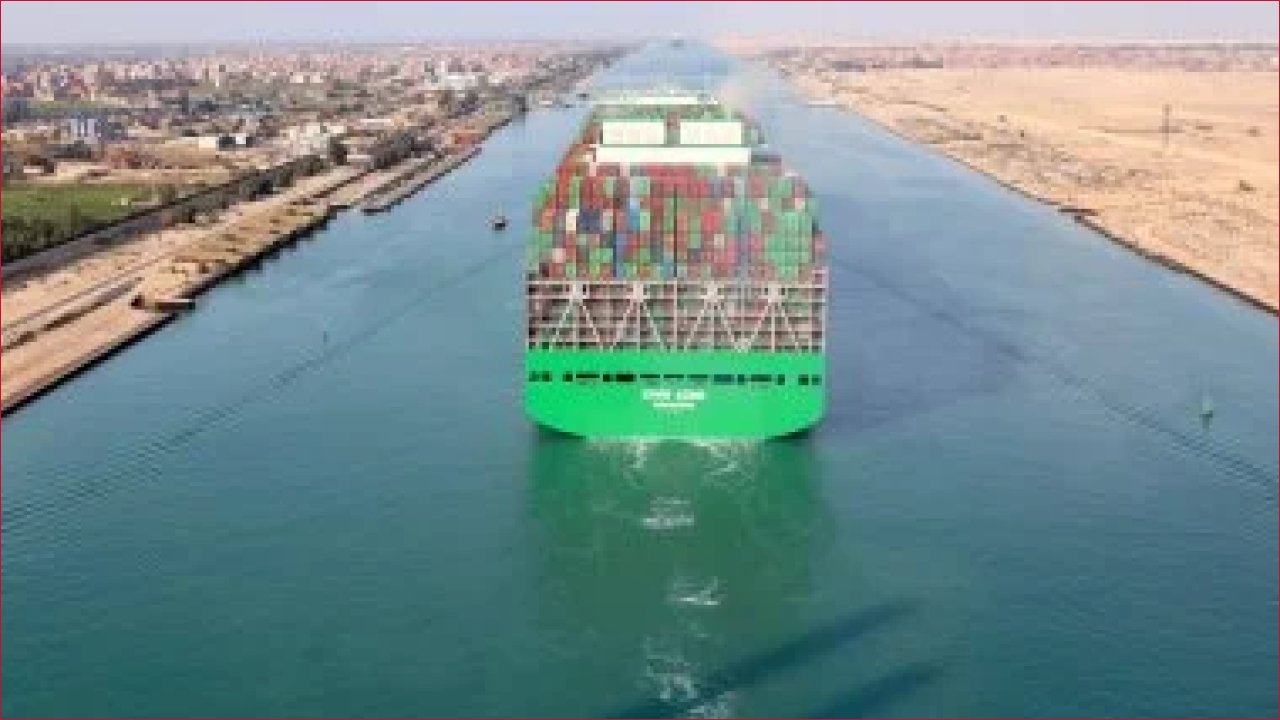
The Strait of Hormuz, a vital conduit for global commerce and a primary passage for approximately one-fifth of the world's oil supply, has undergone a dramatic transformation in its economic standing. Following an astonishing 300% jump in risk insurance premiums, the Strait has officially become the most costly maritime passage globally. This meteoric rise in expenses is not merely a statistical anomaly; it is a stark indicator of mounting instability in the region, with consequences poised to impact consumers' pockets worldwide within just a few weeks.
The Strategic Imperative of the Strait of Hormuz Under Threat
For decades, the Strait of Hormuz has been a pivotal point in global geopolitics and economics. Connecting the Persian Gulf to the Gulf of Oman and the Arabian Sea, it serves as the sole maritime outlet for vessels departing from major Middle Eastern oil-producing nations such as Saudi Arabia, Iraq, Iran, Kuwait, UAE, and Qatar. Millions of barrels of crude oil, liquefied natural gas (LNG), and vast quantities of other goods traverse this narrow waterway daily. Any disruption here not only affects energy prices but also reverberates throughout global supply chains.
Escalating Threats Drive Up the Cost of Risk
The exorbitant increase in risk insurance premiums is a direct consequence of escalating security tensions in the region. Missile threats, particularly those targeting commercial vessels in the Red Sea and Gulf of Aden, have created an extremely hazardous environment for shipping companies. While the Strait of Hormuz itself has not experienced direct attacks with the same frequency as the Red Sea, the overall volatile regional situation and insurers' comprehensive assessment of regional risks have driven premiums to unprecedented levels. This means shipping companies are now facing significantly higher operating costs, which they are compelled to pass on to their clients.
Read Also
- Turning Event Highlights into Instant Recap Videos: Seedance 2.0 for Conferences and Trade Shows
- Gaza Strip Plunges Deeper into Humanitarian Catastrophe: Urgent Global Intervention Needed
- World Defense Show 2024: Saudi Arabia Bolsters Leadership in Military Industries and Defense Localization
- Global Economic Outlook: Navigating Uncertainty Amidst Geopolitical Shifts and Inflationary Pressures
- Global Leaders Convene to Tackle Climate Crisis and Economic Recovery Amidst Geopolitical Shifts
Route Suspensions and Diversions: Redrawing the Trade Map
The impact extends beyond mere cost increases; it encompasses the suspension of routes by several major shipping lines through hazardous waterways, including parts of the Red Sea. These suspensions force vessels to undertake longer, more expensive alternative routes, such as circumnavigating the Cape of Good Hope in Southern Africa. Such extended journeys not only entail greater fuel consumption and increased insurance premiums but also lead to significant delays in delivery schedules, affecting the availability of goods in global markets.
Direct Economic Fallout for Consumers
The most significant and immediate impact of this shift will be borne by consumers. As shipping costs rise, businesses will find themselves compelled to increase product prices to offset their losses. This price hike will encompass a wide array of goods, from fuel and petroleum products to manufactured goods and raw materials. This could trigger a new wave of inflation, diminishing consumers' purchasing power and intensifying economic pressures. Economic experts anticipate these repercussions to become tangibly evident in global markets within a few weeks, as affected shipments reach their final destinations.
Related News
- From Vienna's Cafes to Global Pitches: The Unsung Birth of Modern Football Tactics
- India Rejects Need for 'Permission' on Russian Oil Purchases, Affirms Sovereign Energy Policy
- Bahrain and Kuwait Airspace Closure Enters 25th Consecutive Day, Extended Further
- China Condemns US and Israeli Strikes on Iran, Citing International Law Violations
- “中国軍制服組トップ 核兵器に関する情報を米に漏えい”米紙
Global Challenges and Complex Solutions
The situation in the Strait of Hormuz and the Red Sea underscores the fragility of global supply chains and their heavy reliance on specific maritime passages. Governments and international organizations face a formidable challenge in devising sustainable solutions to ensure the security of international navigation. Potential solutions may include bolstering military presence to protect vessels, exploring strategic alternatives to current waterways, or even re-evaluating long-term energy and trade strategies. For now, however, it appears the world will have to adapt to a new reality where the cost of accessing markets is significantly higher, and the ultimate bill will be passed on to consumers.