Washington D.C. - Ekhbary News Agency
Former U.S. President Donald Trump stated on Friday that Chinese President Xi Jinping is "very happy" about the opening of the Strait of Hormuz, remarks made in anticipation of their scheduled meeting in May. Trump expressed his keenness for talks with the Chinese leader, which he suggested could be "historic," adding that "much will be accomplished" during the upcoming encounter.
Trump conveyed his message via his "Truth Social" platform, writing: "President Xi is very happy that the Strait of Hormuz is open, and/or opening quickly." He further elaborated on his expectations for the summit: "Our meeting in China will be special, and perhaps historic. I look forward to meeting President Xi, as much will be accomplished!"
Read Also
- Sisi and Aoun Discuss US-Sponsored Lebanese Negotiations and Regional Stability
- Lavrov Warns Europe Against Return to 'Ethnic Superiority' Path, Russia Vows to Uphold Historical Truth
- Al-Assaf: Hezbollah's Steadfastness Forges New Asymmetric Warfare Doctrine
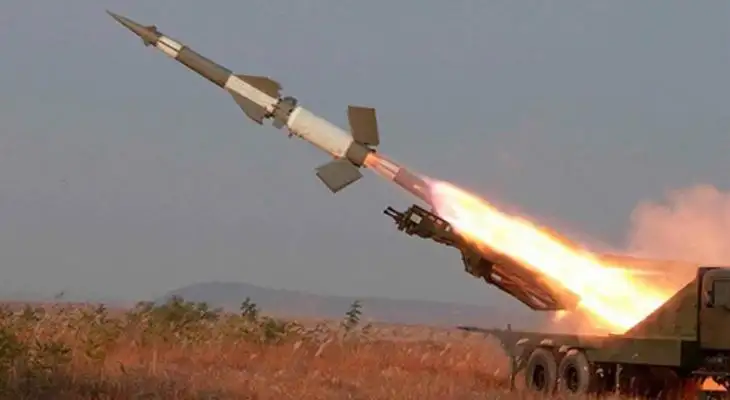
- North Korea Fires Ballistic Missile Eastward, Escalating Regional Tensions
- Hany Shaker, 'Prince of Arab Singing,' Suffers Sudden Health Setback; Syndicate Head Denies Coma Rumors
The Strategic Significance of the Strait of Hormuz
Trump's reference to the Strait of Hormuz carries significant weight due to its critical geopolitical importance. This narrow waterway, connecting the Persian Gulf to the Gulf of Oman and the Arabian Sea, is a vital artery for global trade, particularly for crude oil and liquefied natural gas (LNG) shipments. Approximately one-fifth of the world's total oil supply passes through the Strait, making it a strategic choke point where any disruption can directly impact global markets and energy prices.
The Strait has historically been a flashpoint for regional tensions, with past threats of closure by various parties causing widespread international concern. Therefore, Trump's assertion of President Xi's "happiness" regarding the Strait's openness underscores the importance of stability in this maritime passage for both the United States and China, two global powers heavily reliant on the smooth flow of energy and international trade.
Navigating Complex U.S.-China Relations
This announcement comes at a time when relations between Washington and Beijing are characterized by complexity and competition across multiple domains, ranging from trade and technology to geopolitical issues such as Taiwan and the South China Sea. Despite existing tensions, direct communication channels between the leaders of the two nations remain paramount for managing disagreements and preventing escalation.
The anticipated summit between Trump and Xi presents an opportunity to reassess the trajectory of these relations, especially given that Trump, during his first term, pursued a firm policy toward China, including the imposition of extensive tariffs on Chinese goods. Consequently, any meeting between them holds the potential to either alter or reinforce existing dynamics.
Anticipation Builds for Beijing Summit
The summit, expected to take place in the Chinese capital, Beijing, next month, will undoubtedly capture global attention. While an official agenda has yet to be released, discussions are likely to encompass trade issues, as both nations seek to rebalance their economic ties. The summit may also address regional security concerns, including the situation in the Middle East and the Strait of Hormuz, as well as broader global challenges such as climate change and pandemics.
Related News
- Zamalek Offers Special Bonuses to Players Ahead of Belouizdad Clash; Banza Returns to Squad
- Gold Prices in Egypt Decline Sharply Amid Global and Local Pressures
- Iran's Supreme Leader Vows to Continue Gulf Attacks and Strait of Hormuz Blockade
- Anthropic's 'Mythos' AI Model: Why Washington and Wall Street Are Concerned
- UK Analysis: Russia Integrates Iranian Drone Strategies into Ukraine Warfare
Trump's use of "Truth Social" to announce these developments is consistent with his characteristic style of direct communication, often bypassing traditional media channels. His description of the meeting as "special" and "historic" reflects high ambitions for reaching understandings or agreements that could have far-reaching implications for the international landscape.
The world will be closely watching the outcomes of this summit, which could define new contours for relations between the world's two largest economies and influence global stability and cooperation for years to come.