Former IAEA Inspector Warns of Catastrophic Nuclear Proliferation if Iran Regime Collapses
Dr. Youssef Abu Shadi, who previously served as a senior inspector for the International Atomic Energy Agency (IAEA), has issued a stark warning regarding Iran's nuclear status. He suggests that any potential chaos or collapse of the Iranian regime could result in enriched uranium falling into the hands of non-state actors, a scenario he describes as a catastrophic threat far more dangerous than any direct military confrontation.
Speaking in an interview with Al Jazeera Mubasher from Cairo, Abu Shadi affirmed that Iran's nuclear situation is under close monitoring by the international agency. However, he emphasized that the real danger lies in the potential emergence of networks seeking to acquire nuclear materials should stability in Iran erode. "Any chaos in Iran could allow networks to emerge trying to obtain nuclear materials, and this is much more dangerous than any direct war," Abu Shadi stated.
Iran's Nuclear Capabilities and Presumed Intentions
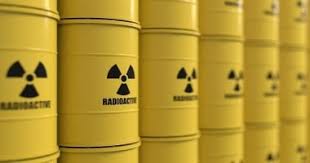
The former international inspector delved into Iran's technical capabilities in uranium enrichment, explaining that Tehran could produce a "weak" nuclear weapon within a few weeks using 42 kilograms of 60% enriched uranium. To produce more effective nuclear bombs requiring 90% enrichment, the timeframe would extend to between one and two months.
Read Also
- Financial Times: Navigating the Digital Future of Premium Journalism
- Financial Times Unveils Enhanced Digital Subscription Offerings for Global Readership
- The Financial Times' Enduring Model: A Deep Dive into Premium Digital Journalism Subscriptions
- The Enduring Value of Premium Journalism: Navigating the Financial Times' Digital Subscription Landscape
- Financial Times Unveils Enhanced Digital Subscription Tiers for Global Readership
Despite these capabilities, Abu Shadi noted that Iran has not yet demonstrated a clear intention to build a nuclear weapon, citing its failure to conduct a test explosion similar to North Korea. He added, "If Iran had the intention of producing a nuclear weapon since June, it would have carried out a test explosion as North Korea did. However, it seems to adhere to Khamenei's fatwa prohibiting nuclear bombs."
Critique of US Statements and Attack Impact
In related remarks, Dr. Abu Shadi sharply criticized recent US statements, particularly those by Steve Witkoff concerning the existence of 450 kilograms of 60% enriched uranium, dismissing them as "joking." He clarified that international inspectors closely monitor these materials, and the IAEA issues precise quarterly reports on existing quantities, making any claim of "surprise" highly improbable. He suggested that such statements might be intended to justify an attack on Iran.
Regarding the impact of recent attacks on Iranian nuclear sites, Abu Shadi confirmed that Iran had moved highly enriched materials to secure underground locations before the assaults began. He pointed out that fortified sites like Natanz and Fordow are difficult to target effectively, and any damage to enriched uranium was minimal, posing no significant radiological risk to Iran or neighboring countries. He elaborated, "When enriched uranium leaks, it is more chemically toxic than radiologically hazardous. The real danger lies in nuclear reactors, which were not targeted."
International Double Standards and the Israeli Nuclear File
Abu Shadi did not shy away from highlighting what he described as double standards in the international community's handling of nuclear issues. He noted that Israel is the only nuclear state in the Middle East that has not signed the Nuclear Non-Proliferation Treaty (NPT), possesses over 300 nuclear warheads, yet has faced no international sanctions.
Related News
- Pereira Hails Nottingham Forest's Spirit After Crucial Draw with Fulham, Escaping Relegation Zone
- Lebanon on Edge: Intense Israeli Strikes Met by Fierce Hezbollah Retaliation
- Madrid Embraces Emerald Spirit: Thousands Flock to Vibrant St. Patrick's Day Parade
- James Milner: The Premier League's Humble Record Breaker
- Trump: 'No Negotiating Partner in Iran After Eliminating Leaders', Warns of AI Disinformation
"Americans and Europeans do not see this contradiction. Iraq was destroyed because it tried to develop a nuclear program, while Israel produces dozens of bombs annually without deterrence," Abu Shadi stated. He emphasized that media threats from the US about destroying Iran's nuclear program are inaccurate, asserting that fortified underground sites have not been fully targeted, and inspectors continue to monitor the movement of nuclear materials closely.
Call for Justice and Balance in International Policy
Dr. Abu Shadi concluded his remarks by stressing the urgent need for justice and balance in dealing with nuclear states. He underscored that current international policy is unbalanced, allowing major powers to retain their nuclear weapons while imposing strict restrictions on others. He called for establishing a true balance in the Middle East aimed at removing Israeli nuclear hegemony, asserting that regional and international security cannot be achieved under such double standards.