
Global - Ekhbary News Agency
US Air Defense Systems Deemed Vulnerable to Iranian Drone Strikes: An MIT Expert's Analysis
Amid escalating tensions in the Middle East and the continuous evolution of military technologies, the effectiveness of air defense systems has become a pivotal question for strategic security. Recently, Professor Theodore Postol of the Massachusetts Institute of Technology (MIT), a recognized expert in missile technology and air defense, expressed profound concerns about the ability of US defensive systems to withstand potential retaliatory strikes from Iran, particularly those employing unmanned aerial vehicles (UAVs) and ballistic missiles. His analysis, presented on Glenn Diesen's YouTube channel, sheds light on critical vulnerabilities that could have far-reaching consequences for regional and global security.
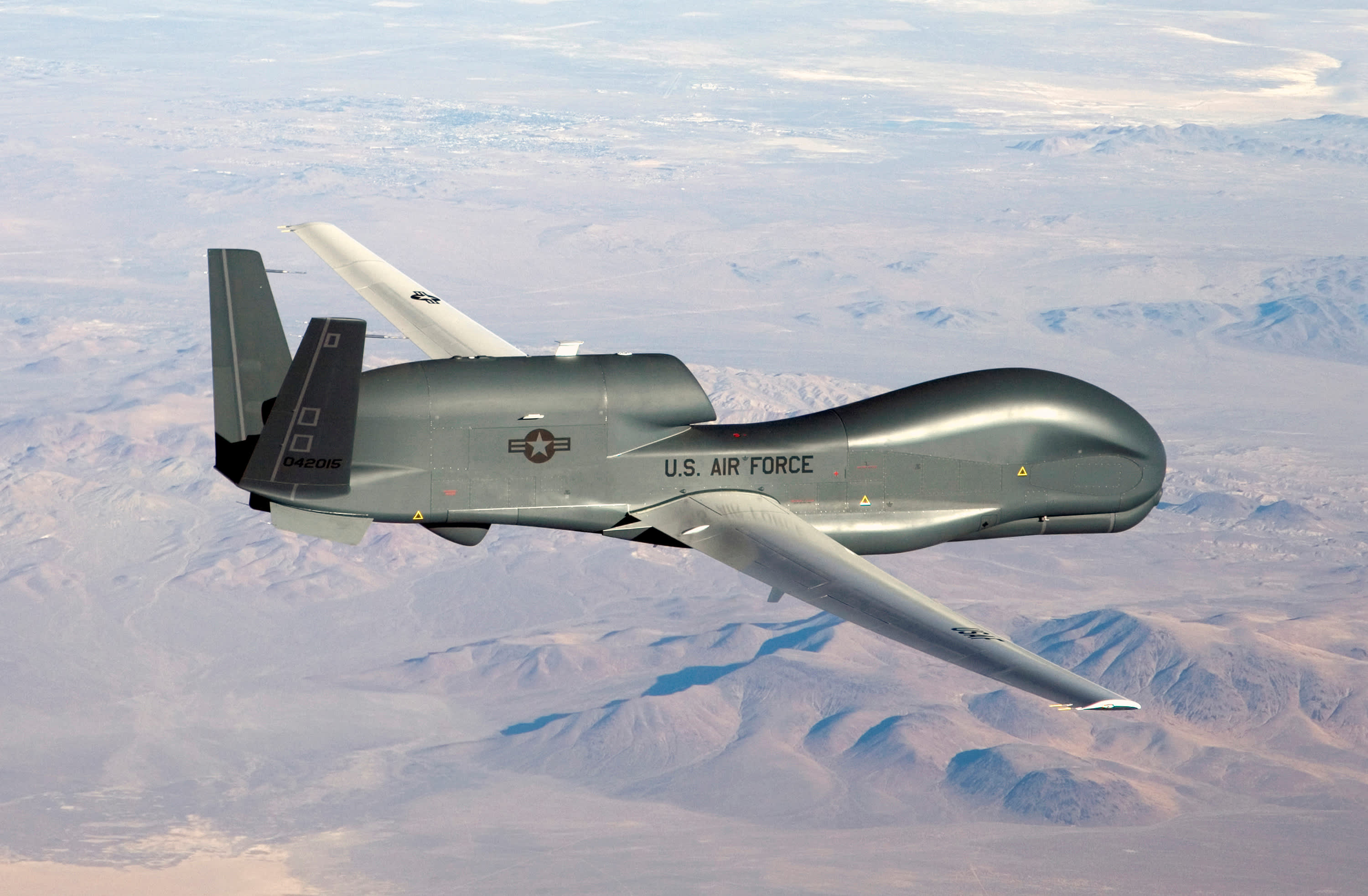
Postol, whose research often focuses on the technological aspects of strategic deterrence, emphasized the qualitatively new nature of the threat posed by Iranian drones. “They [drones] are everywhere. There are thousands and maybe more. They will simply overwhelm what is left of the air and missile defense systems,” the expert stated. This assertion doesn't merely acknowledge the presence of drones but points to a strategy of 'saturation' or 'swarming,' where a vast number of relatively inexpensive platforms are launched simultaneously to overwhelm or bypass more sophisticated and costly enemy defensive systems. Such tactics, successfully employed in various conflicts in recent years, demonstrate that quantitative superiority can negate technological advantage.
Read Also
- Modi Unveils World's Largest Healthcare Scheme: Ambition Meets Scrutiny
- South Korean President Moon Jae-in Departs for US, Seeking Breakthrough in Stalled US-DPRK Talks
- Vietnam's Vice President Dang Thi Ngoc Thinh Appointed Acting State President
- Japan's "Dementia Assets" Dilemma: 215 Trillion Yen by 2030 Poses Escalating Economic and Social Challenges
- Maldives Holds Presidential Election Amidst High Voter Turnout Expectations
Professor Postol also highlighted that Iran is not limited to drones alone. Tehran is actively developing and deploying ballistic missiles, which makes the task of repelling attacks even more complex. The combination of low-flying, slow, but numerous drones with high-speed ballistic missiles creates a multi-layered threat requiring highly integrated and comprehensive defense systems. Traditional air defense systems, designed to intercept aircraft and cruise missiles, or missile defense systems aimed at ballistic threats, may prove incapable of effectively handling such a hybrid challenge.
While Postol acknowledged that the US does succeed in intercepting some Iranian drones, he stressed that the strategy of their use has become a “serious challenge for Washington.” This implies that even successful interceptions of individual platforms do not solve the problem entirely. Each interception of a relatively cheap drone by an expensive interceptor missile represents an unfavorable exchange in terms of economic efficiency. Furthermore, the constant threat requires maintaining high readiness and significant resources, which depletes defensive capabilities in the long run.
Postol's analysis gains particular relevance against the backdrop of recent statements from the Iranian General Staff, which warned that the US would “regret its aggression against the Islamic Republic.” These words reflect a general escalation of rhetoric and a potential expansion of conflicts in the region. Iran, under pressure from international sanctions and threats, is actively investing in asymmetric warfare capabilities, where drones and missiles play a key role. This allows Tehran to project power and threaten US interests and those of its allies without direct confrontation with superior traditional armed forces.
Experts note that Iran's strategy for developing drone aviation and missile technologies is a response to US dominance in air and sea. The variety of Iranian drones—from reconnaissance to attack and kamikaze types—allows them to perform a wide range of tasks, posing a threat to military bases, infrastructure facilities, and even civilian vessels. Lessons from conflicts, such as those in Yemen or Ukraine, show that underestimating these means can lead to significant losses and strategic failures.
Related News
- Washington Reactivates Key Trade Agreement with African Nations, Bolstering Economic Ties
- How Are We Still Alive? Bride Recounts Horrific Crash That Killed Four, Shattered Newlyweds' Lives
- Five European Nations Claim Navalny Was Poisoned with 'Frog Toxin' in Russian Prison
- China's Foreign Ministry Strongly Responds to US Visa Restrictions on Harvard International Students, Emphasizing Mutual Benefit of Educational Cooperation and Dangers of Politicization
- Milwaukee police chief responds to anti-Israel critics after attending overseas security program
In the long term, Professor Postol's conclusions necessitate a reevaluation of Washington's defense doctrine and investments in new technologies. This could include developing more cost-effective means of intercepting drones (e.g., laser systems or microwave weapons), establishing comprehensive early warning networks, and improving artificial intelligence systems for coordinating defenses against swarming attacks. Without such adaptations, the US risks facing an ever-growing and increasingly complex threat that could undermine its strategic superiority in the region.