Middle East - Ekhbary News Agency
Lombard: Strait of Hormuz Closure Poses Existential Threat to Global Economy
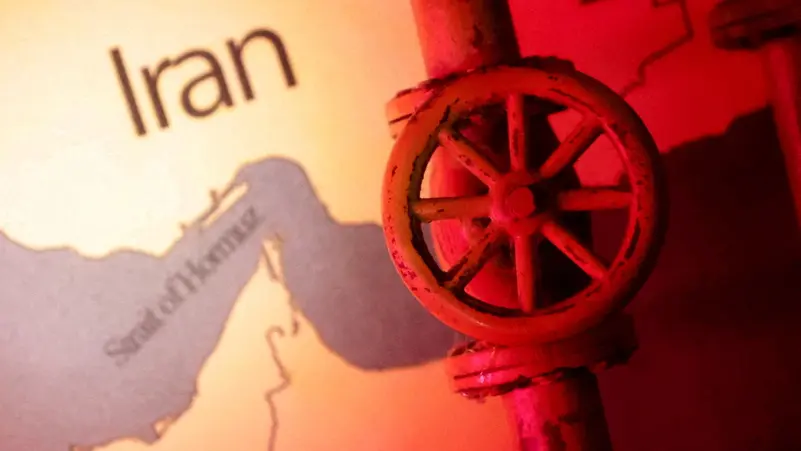
In a significant interview with Radio France Internationale (RFI) on March 11, 2026, Éric Lombard, a distinguished figure in French economics and former Minister of Economy and Finance, articulated grave concerns regarding the economic fallout from the escalating tensions in the Middle East. As the conflict in the region entered its twelfth day, Lombard emphasized the severe risks confronting the global economy, asserting that any prolonged closure of the Strait of Hormuz, one of the world's most vital oil shipping lanes, would precipitate a profound international economic crisis.
Lombard elaborated on the strategic importance of the Strait of Hormuz, describing it not merely as a waterway but as the indispensable artery of the global energy market. A substantial portion of oil and liquefied natural gas (LNG) exports from the Gulf region transit through this narrow strait. He cautioned that any sustained disruption, whether stemming from military escalation or geopolitical maneuvering, would trigger immense turmoil in global supply chains, instigate unprecedented surges in energy prices, and exert a severely detrimental impact on all economies worldwide.
Read Also
- Scientists Unveil "Cancer Flashlight" Antibody for Enhanced Tumor Detection
- AI Discovered to Boost Human Creativity, Study Finds
- Astronomers Detect Brightest Fast Radio Burst Ever, Traced to Nearby Galaxy
- AI Framework THOR Solves Century-Old Physics Problem in Seconds
- Scientists Uncover Hidden Subsurface Water on Mars, Hinting at Prolonged Habitability
The repercussions, Lombard explained, would extend far beyond the immediate spike in oil and gas prices. He predicted a cascading effect, leading to increased shipping and transportation costs, consequently driving up the prices of consumer goods. This inflationary pressure, coupled with reduced economic activity, would likely result in economic stagnation, prompting businesses to postpone investments and curtail operations, thereby exacerbating the overall crisis.
The former minister stressed the paramount importance of diplomatic efforts to avert such a catastrophic scenario. "Stability in the Strait of Hormuz is the linchpin of global economic stability," Lombard stated. "All relevant parties must prioritize de-escalation, pursue peaceful resolutions to existing disputes, and guarantee freedom of navigation through this vital corridor. The cost of conflict and escalation far outweighs any perceived gains."
Lombard's warning arrives at a time when global markets are already grappling with heightened volatility attributed to geopolitical uncertainties. The ongoing Middle East conflict has already exerted pressure on international oil prices and fueled investor apprehension regarding the future of energy supplies. The Strait of Hormuz, in particular, remains a point of extreme vulnerability, having been the site of several incidents in recent years, intensifying concerns over maritime security.
In parallel, economic analysts have pointed out that any shutdown of the Strait of Hormuz would compel nations to seek alternative energy sources, a process that is both time-consuming and prohibitively expensive. Furthermore, countries heavily reliant on oil exports transiting the strait would face immense economic hardship, potentially leading to significant social and political instability within their borders.
Related News
- Netflix Withdraws from Warner Bros. Discovery Bidding War, Citing Price Concerns
- MLB Win Projections: How the Offseason Reshaped Expectations for All 30 Teams
- Ben Tudhope Claims Second Medal for Australia at Winter Paralympics
- Itamar Einhorn Claims Second Victory in Thrilling Tour du Rwanda Stage 6 Sprint
- Transcend 260S 2TB SSD Review: A Dependable PCIe 5.0 Contender
In conclusion, Lombard underscored the necessity of international cooperation to navigate these complex challenges. "The global economy is deeply interconnected," he remarked. "No single nation can unilaterally address these crises. The international community must unite to ensure energy market stability, support peace initiatives in the region, and safeguard critical maritime routes. The future of global prosperity hinges on our collective ability to maintain these passages open and secure."