Ekhbary News Agency | May 12, 2024
Washington has significantly ramped up its campaign against Cuba, formally indicting former Cuban President Raúl Castro on charges of conspiracy to murder US nationals. These accusations, which include four counts of murder and two counts of aircraft destruction related to the 1996 downing of two planes, emerge amid an escalating economic and military pressure campaign targeting the Caribbean island nation.
Economic Warfare and Intervention Fears
These developments coincide with a severe oil blockade imposed by the Trump administration since January, inflicting immense economic devastation upon the Cuban populace. Senator Marco Rubio, a long-time advocate for regime change in Havana, indicated that the prospects for a "negotiated settlement" were "not high," suggesting a lean towards more confrontational options. The US administration, through intelligence leaks, alleges Cuba has acquired over 300 military drones to threaten Guantánamo Bay, a claim observers dismiss as a "fantasy" reminiscent of the pretexts used for the Iraq invasion. Truth be told, such assertions often precede heightened tensions.
Read Also
- Sofia Coppola, Andrew Durham Explore Gay Fatherhood, AIDS in "Fairyland" Memoir Film
- Jeffrey Epstein's Assistant: 18 Years of Service Amidst Crime Questions
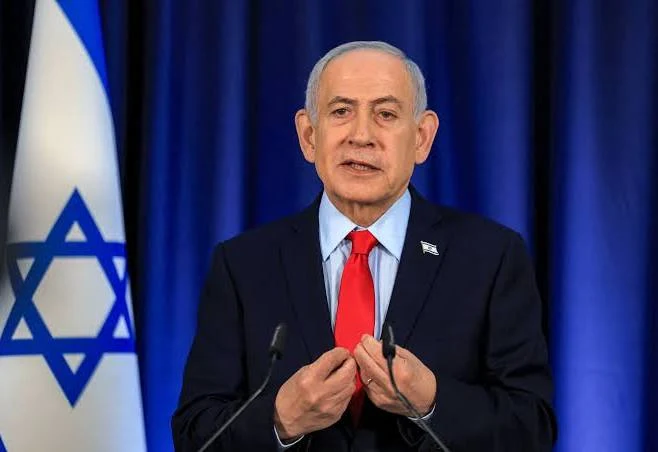
- Netanyahu: Israeli Army Operating Large Forces in Lebanon
- US-Iran Interim Deal in the Works? Diplomatic Source Reveals Details
- Iran: Secret Military Developments Revealed in Intelligence Report
Impact on Daily Life and Geopolitical Context
Daily life in Cuba grows increasingly challenging; the price of a liter of petrol has surged from $1.20 to $8, while the average monthly salary hovers around $16. Medical staff struggle to afford travel to hospitals, which themselves lack essential medicines. Cuban journalist Daniel Montero confirmed the government's popularity is at an all-time low, with sanctions successfully exhausting the people. The recent arrival of the USS Nimitz aircraft carrier in the Caribbean, ostensibly for maritime exercises, raises questions about Washington's true intentions, especially after its "humiliation" by Iran, as described by German Chancellor Friedrich Merz, potentially making it a more dangerous actor.