Ekhbary News Agency | May 15, 2024
Venezuela experienced a harrowing minute yesterday as two powerful earthquakes struck in rapid succession, triggering widespread panic and causing structural damage across the capital, Caracas. Residents poured into the streets seeking safety, illustrating the immediate impact of such seismic events. For what it's worth, the situation remains fluid as emergency teams respond.
Dual Quakes and Tsunami Alerts Issued
The U.S. Geological Survey reported the initial tremor registered at 7.1 magnitude, occurring west of Morón, a town on the Caribbean coast, approximately 168 kilometers west of Caracas, at a depth of 13 kilometers. Merely sixty seconds later, a second, more potent earthquake, measuring 7.5 magnitude, hit 16 kilometers southwest of Morón, with a shallower depth of 10 kilometers. The Pacific Tsunami Warning Center promptly issued an alert for the Virgin Islands, while authorities in the Dominican Republic announced a similar warning. A prior alert for Puerto Rico was subsequently lifted, indicating a dynamic assessment of risk.
Read Also
- Kunal Shah to Lead WhatsApp as Will Cathcart Steps Down, Meta Eyes India
- Red Heat Alerts Issued Across France, Italy, and Spain Amid Forecasted 40C Temperatures
- Music Mogul Clive Davis, Architect of Stars Like Houston and Springsteen, Dies at 94
- Russian Troops Infiltrate Kostyantynivka, Threatening Ukraine's Donbas Hold
- UN: Myanmar Military Killed Over 700 Civilians in Six Months
Initial Damage and Ongoing Rescue Efforts
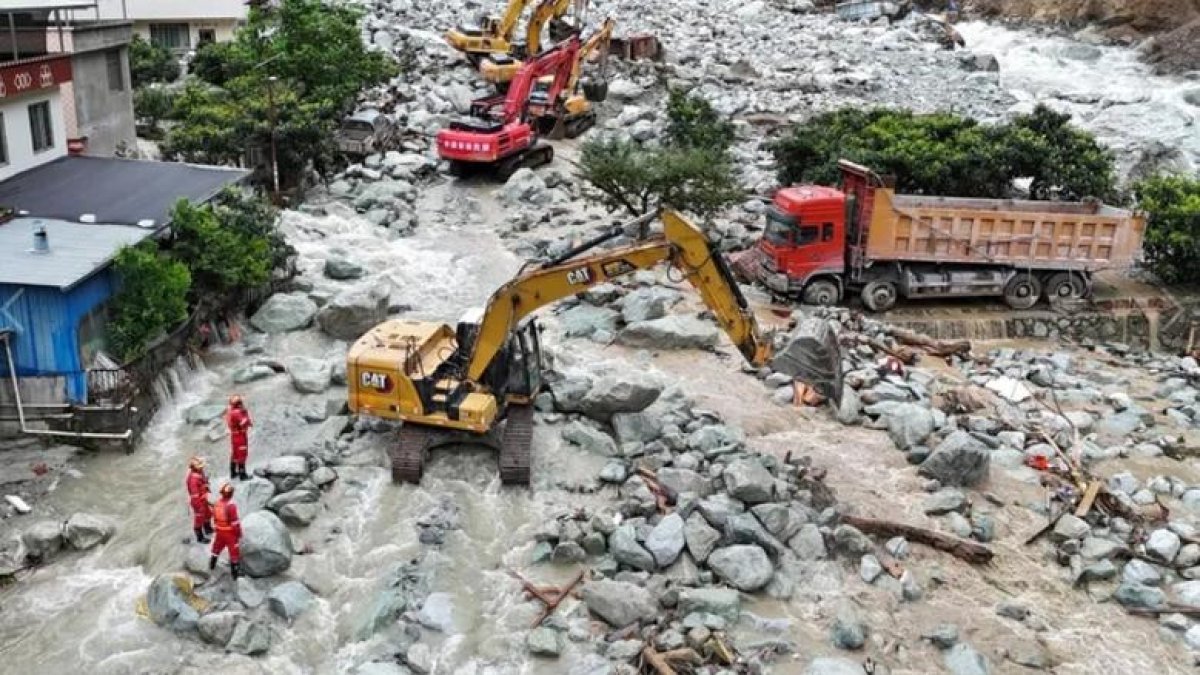
Caracas witnessed the collapse of buildings and walls in several districts, with thick dust clouds ascending from areas bustling with restaurants and commercial establishments. Venezuelan Interior Minister Diosdado Cabello confirmed that multiple states felt the tremors, highlighting significant damage in the Altamira district of the capital, alongside potential injuries. Emergency and ambulance crews are actively engaged in rescue operations and assessing the extent of the devastation. Authorities have urged citizens to remain outdoors, cautioning against the possibility of aftershocks that could precipitate further collapses, a common concern after such intense geological activity.