
During the tenure of former U.S. President Donald Trump, a pervasive narrative suggested that Iran, battered by stringent sanctions, was on the brink of capitulation. The 'maximum pressure' campaign aimed to cripple Tehran's economy and force a change in its regional behavior. However, numerous strategic analyses and expert reports indicated a more complex reality: despite its economic hardships, Iran retained a potent set of strategic cards, enabling it to defy Washington and complicate any swift or decisive declaration of victory.
The Strait of Hormuz: Iran's Economic Lever on Global Markets
The Strait of Hormuz, a critical maritime chokepoint through which approximately one-fifth of the world's oil supply and a third of its liquefied natural gas passes, represents a vital artery for the global economy. Iran has consistently brandished its capacity to disrupt or close this strait, a strategic threat that sends ripples of concern through major powers and energy consumers worldwide. Any significant escalation in the region could trigger an immediate and sharp spike in oil prices, destabilizing global markets and imposing severe economic challenges on nations heavily reliant on energy imports. This threat, even if not fully executed, remains a potent sword of Damocles over the global economy, affording Iran considerable leverage in any negotiations or confrontations.
The Nuclear Program: A Looming Threat and International Challenge
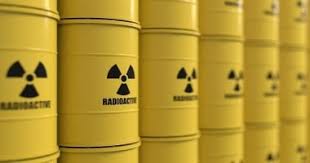
Iran's growing stockpile of enriched uranium and the advancement of its nuclear program, particularly following the U.S. withdrawal from the Joint Comprehensive Plan of Action (JCPOA) in 2018, present another formidable challenge to Washington and the international community. With each step Iran takes towards enriching uranium to higher purities or increasing its reserves, concerns about its potential to develop nuclear weapons intensify. This issue places the United States and its allies in a dilemma: either accept a progressively advanced Iranian nuclear program or confront military options fraught with immense risks. Iran's progress in this domain grants it significant bargaining power, making it difficult for any U.S. administration to ignore this threat or declare a complete victory without fundamentally addressing this critical issue.
Read Also
- Eswatini Receives New Cohort of US Deportees Under 'Third Country' Deal
- Trump's World Cup Reversal: Iran's Participation in Doubt Amid Geopolitical Tensions
- US Refueling Aircraft Crashes in Western Iraq Amid 'Operation Epic Fury'
- Trump Claims Victory Over Iran, Calls for 'Mission Completion' Amidst Scrutiny
- Historic Emergency Oil Release: 32 Nations Combat Market Chaos Amid Iran-Hormuz Tensions
Regional Influence: Challenging Gulf Security and U.S. Allies
Iran continues to exert its regional influence through a network of proxies and militias in countries such as Iraq, Syria, Lebanon, and Yemen. The targeting of Arab Gulf states with missile and drone attacks, as witnessed on several occasions, poses a severe security challenge to U.S. allies in the region. These attacks not only threaten vital infrastructure but also raise profound concerns about the stability of the entire region. Iran's ability to foment unrest and project power through these proxies means that any attempt to curtail its influence will face staunch resistance, and declaring victory over Iran requires more than just economic sanctions; it demands a comprehensive approach to this complex web of relationships and impacts.
Trump's Dilemma: Seeking Victory Against Tehran's Strong Hand
The Trump administration was keen to demonstrate that its 'maximum pressure' campaign had yielded results, portraying Iran as on the verge of collapse. However, the cards Tehran held – from the Strait of Hormuz to enriched uranium and its regional influence – made it difficult for Trump to claim a definitive victory. These strategic assets complicated the political and diplomatic landscape, presenting the United States with difficult choices, ranging from military escalation with potentially dire consequences to the continuation of a pressure policy that had not fully achieved its desired outcomes.
Related News
- Man City vs Real Madrid Headlines Packed Tuesday of Football Action
- Egypt Weather Forecast: Light Rains Southward, Cool Nights on Monday, March 16, 2026
- Ghana: IShowSpeed To Get Ghanaian Passport Following Africa Tour
- F1 Australian Grand Prix 2026: A New Era Begins with Crucial Qualifying Session
- Trump Calls for Hormuz Strait Protection: Will Nations Heed America's Call?
Conclusion: An Uncertain Future for a Volatile Region
In conclusion, analyses reveal that Iran, despite facing significant economic challenges and international pressure, was never merely a weak adversary awaiting collapse. Instead, it retained strategic capabilities that enabled it to endure and challenge major powers. These 'winning cards' made it difficult for any U.S. administration, including the former Trump administration, to declare a decisive or swift victory. The regional landscape remains complex and prone to further tension, as Iran continues to leverage its strategic assets to bolster its negotiating position and assert its regional influence, leaving the future of the relationship between Tehran and Washington fraught with uncertainty and ongoing challenges.


