
Denmark - Ekhbary News Agency
Danish Prime Minister Calls March 24 Parliamentary Election
Copenhagen – In a surprising political maneuver, Danish Prime Minister Mette Frederiksen announced on Monday that the Scandinavian nation will proceed to a parliamentary election on March 24. This decision brings an end to a period of speculation within political circles and officially kicks off what is expected to be a fiercely contested electoral campaign across the country.
The call for an early election represents a critical juncture for Denmark. It provides citizens with a direct opportunity to evaluate the current administration's track record and express their mandate regarding its policies. Early elections are often triggered by significant political or economic challenges, or as a strategic move by a prime minister to consolidate their authority or resolve pressing national issues.
Read Also
- Andy Burnham Emerges as Frontrunner for UK Prime Minister
- United Nations Designates International Widows' Day: Understanding Its Importance
- Qatar's Barzan Facility Explosion: What We Know About the Incident and Its Aftermath
- Inescapable Challenges: The Pursuit of Understanding Global Dynamics
- A Decade Post-Brexit: Daily Express Questions Unfulfilled Promises
Political and Economic Context:
Denmark, like many European nations, is navigating a landscape marked by global economic uncertainty, characterized by persistent inflation and supply chain disruptions. Domestically, issues such as immigration, climate change initiatives, and ongoing reforms in healthcare and education may have also influenced the Prime Minister's decision. A thorough analysis of the government's economic performance, including GDP growth rates, unemployment figures, and fiscal deficits, is crucial to understanding the underlying motivations for this electoral call.
Role of Political Parties:
Political parties across the spectrum are expected to mobilize their efforts in anticipation of the upcoming campaign. The Social Democrats, led by Frederiksen, will face off against major opposition parties, including the Danish People's Party, the Liberal Party, and the Socialist People's Party. Each party will strive to win voter support by presenting compelling manifestos and proposing viable solutions to the challenges confronting Danish society.
Expert Analysis:
Political analysts suggest that the timing of the election might be a calculated strategy by Prime Minister Frederiksen, potentially aiming to capitalize on her current approval ratings before any significant economic downturns occur. Holding the election in late March could also grant the incoming government ample time to implement its agenda before upcoming European parliamentary elections or other significant political events.
Impact on Foreign Policy:
While this is a domestic parliamentary election, its outcome could influence Denmark's foreign policy trajectory. Key areas include its relationship with the European Union, its stance on security and defense matters, and its engagement with other Nordic countries. Different political parties may offer divergent perspectives on these international issues, potentially leading to shifts in the nation's foreign policy orientation.
Practical Preparations:
Related News
- Putin Declares Russia "Land of Rising Sun" Citing Eastern Geography
- Russia's Second Open Dialogue Concludes, Emphasizing Idea Implementation and Human Investment
- New Mendich Tapes Spark Alarm in Ukrainian Parliament Over Zelensky, Yermak
- Merz Hardens Stance on Iran, Affirms Transatlantic Partnership Amid Trump Tensions
- Trump Advises German Chancellor to Focus on Ukraine Over Iran
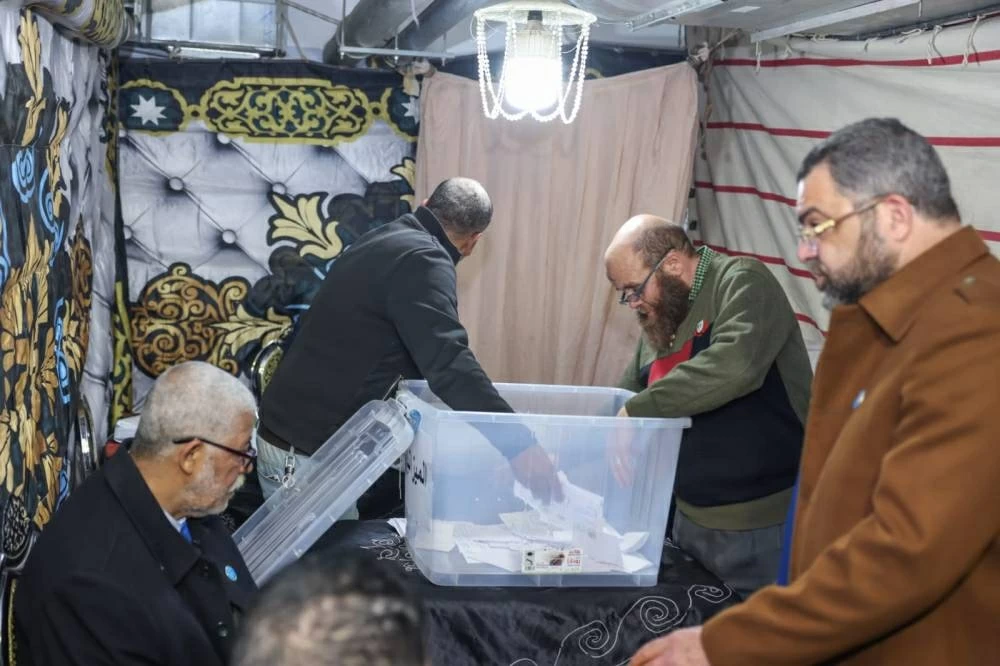
Electoral authorities are now commencing the necessary logistical preparations to ensure a smooth and transparent election process. This includes voter registration drives, the setting up of polling stations, and overseeing the meticulous counting of ballots. The electoral campaign is anticipated to feature robust debates on economic and social policies, with media outlets focusing on covering televised debates and official campaign statements.
Future Outlook:
The central question remains whether this snap election will strengthen Prime Minister Frederiksen's coalition or usher in a new political era for Denmark. The final results will hinge on the parties' ability to persuade voters of their platforms and their capacity to effectively address the nation's pressing challenges. Without a doubt, March 24 will mark a significant date in contemporary Danish political history.


